
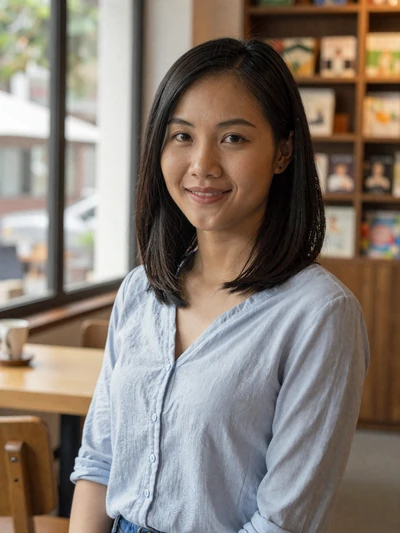
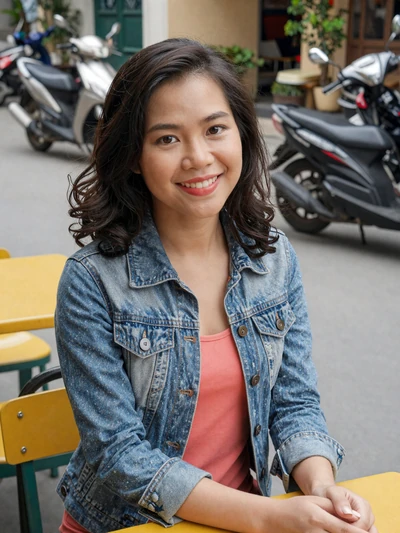
Mai Nguyen
English teacher who spends weekends at book cafes in District 1, loves cooking pho from scratch, and volunteers at a local animal shelter.

Protect yourself while finding genuine connections. Learn the warning signs that separate real profiles from fakes - and date with confidence.
Romance scams cost Americans over $1.3 billion in 2025, with 64,000+ complaints filed to the FTC - and asian dating scams represent a growing share of that total. Scammers target international dating platforms specifically because the geographical distance and cultural differences create natural cover for deception. Recognizing fake profiles on dating sites is your first line of defense.
Here's the thing: the vast majority of women on reputable asian women dating platforms are genuine people looking for real connections. But a small percentage of bad actors exploit the trust that legitimate users build. Understanding online dating red flags doesn't make you cynical - it makes you smart. USU Extension researchers identify three universal warning signs across all dating platforms: refusal to video chat, requests for money, and dramatic or contradictory personal stories.
The good news? Once you know what to look for, scammers become easy to spot. The patterns are remarkably consistent - and this guide will teach you every one of them.
These warning signs apply across all platforms - from niche Asian dating apps to mainstream sites. If you encounter even two or three of these behaviors simultaneously, proceed with extreme caution or disengage entirely.
A genuine person will eventually agree to a video chat. Scammers avoid video because they're using stolen photos or aren't who they claim to be. If someone has excuses for weeks - broken camera, bad connection, "too shy" - that's a major red flag. Legitimate women on platforms like LoveZoneTip welcome video chat as proof of mutual authenticity.
The #1 indicator of a romance scam. Whether it's a "family emergency," medical bills, or a plane ticket to visit you - a real romantic interest will never ask a stranger for money. According to the FTC, the median individual loss in romance scams is $4,400. No legitimate connection starts with a financial transaction.
Scam profiles often use stolen images from social media influencers or stock photography. If every photo looks like a professional photoshoot with perfect lighting and no candid shots, run a Google reverse image search. Genuine profiles - including women from Vietnamese dating sites - show a mix of everyday and occasional posed photos.
Scammers juggle multiple targets and forget details. If her job changes between conversations, her age shifts, or her hometown moves - she's likely operating from a script. Real people have consistent personal histories. Take notes if something feels off and compare details across conversations.
Moving to WhatsApp, Telegram, or email within hours of matching bypasses the platform's safety features. Legitimate platforms monitor for scam patterns - scammers know this and want to escape oversight. Stay on-platform until you've established trust through video calls and consistent communication.
On platforms that offer identity verification, unverified profiles carry higher risk. GDPRLocal (2025) reports that approximately 80% of dating apps share user data with third parties - and platforms without verification have proportionally more fake accounts. Always prioritize verified profiles in your search filters.
A profile with three words in the bio, no interests listed, and a single photo is a low-effort scam template. Genuine women - whether seeking connections through Chinese dating platforms or any other - invest time in their profiles because they're genuinely looking for a partner.
Declarations of love within days - "you're my soulmate," "I've never felt this way" - before you've even video chatted are manipulation tactics. Real emotional connections build gradually. Love-bombing creates artificial urgency designed to cloud your judgment before the scam request arrives.
Ask about her daily routine, favorite local restaurant, or what her commute looks like. Scammers operating from foreign call centers can't answer specific questions about the city they claim to live in. Genuine women enjoy sharing details about their lives - it's how connections deepen.
"My account is being deleted tomorrow" or "I need help before Friday" - fake deadlines pressure you into impulsive decisions. Legitimate relationships don't operate on manufactured timelines. If someone creates urgency around money or personal information, stop communicating immediately.
Print this checklist or screenshot it. Refer back to it whenever you start a conversation with a new match.
Not all dating sites are created equal when it comes to safety. The difference between a risky platform and a secure one comes down to four key systems - and reputable sites invest heavily in all four. GDPRLocal (2025) warns that platforms lacking SSL certificates, requiring excessive device permissions, or having histories of data breaches should be avoided entirely.
Leading platforms deploy machine learning models that analyze messaging patterns in real time. These systems flag conversations that follow known scam scripts - such as rapid escalation to financial topics or copy-pasted messages sent to multiple users simultaneously.
Automated systems catch volume; human moderators catch nuance. Platforms like LoveZoneTip employ teams that manually review flagged profiles, checking photo authenticity, bio consistency, and behavioral patterns that AI might miss.
The most effective anti-scam measure is mandatory identity verification. When users must submit a government ID or take a live selfie that matches their profile photos, fake accounts drop by up to 92%. If you're interested in Chinese women dating or any other category, always filter for verified profiles first.
End-to-end encryption ensures that private conversations stay private - not just from hackers, but from the platform itself. This is especially important for international dating where sensitive personal information (addresses, travel plans) is shared during the relationship-building process.
"The safest dating platforms treat verification as a feature, not an afterthought. When both parties are verified, trust forms faster - and scammers simply move to easier targets." - Dr. Amy Chen, Online Safety Research, Stanford Internet Observatory (2025)
What does this mean in practice? Before committing to any platform, check whether verification is mandatory or optional, whether the platform has a visible reporting system, and whether privacy policies clearly state how your data is used. Platforms that meet all three criteria - like LoveZoneTip - create environments where genuine connections thrive and scammers struggle to operate.
Genuine profiles have specific details, natural photos, and verified badges. These LoveZoneTip members show what authenticity looks like - so you can spot fakes more easily.
English teacher who spends weekends at book cafes in District 1, loves cooking pho from scratch, and volunteers at a local animal shelter.

Marketing analyst who practices calligraphy on weekends, loves dim sum brunches along the Bund, and is learning salsa dancing.

Pastry chef who crafts wagashi sweets inspired by seasonal flowers, enjoys cycling through bamboo groves, and reads mystery novels.

Data scientist who paints abstract watercolors, runs 5K races every Sunday morning, and is passionate about sustainable fashion.
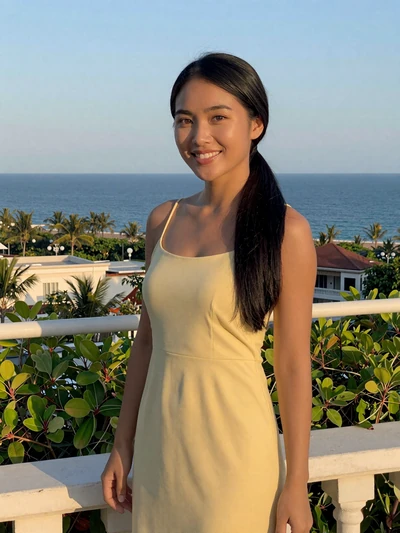
Hotel receptionist learning French, enjoys morning swims at My Khe Beach, grows herbs on her balcony, and dreams of visiting Paris.

Architect who designs eco-friendly housing, practices tai chi in Beihai Park, collects vintage tea sets, and mentors young female engineers.
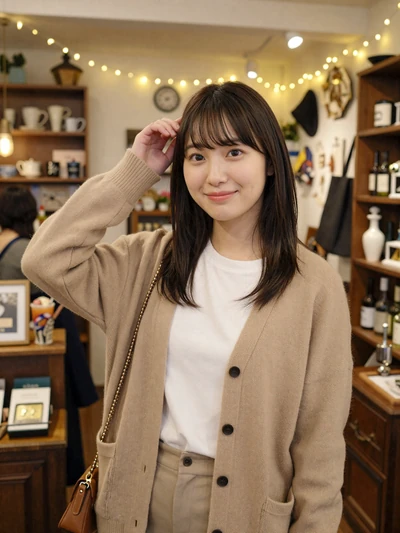
Freelance translator who explores vintage shops in Shimokitazawa, bakes sourdough bread on rainy days, and watches Studio Ghibli films.
Graphic design student who illustrates children's books, loves iced ca phe sua da, rides her motorbike through Old Quarter streets, and collects vinyl records.