
Soo-Jin Park
Marketing manager who loves K-beauty routines, weekend hikes in Bukhansan, and cooking doenjang-jjigae for friends.
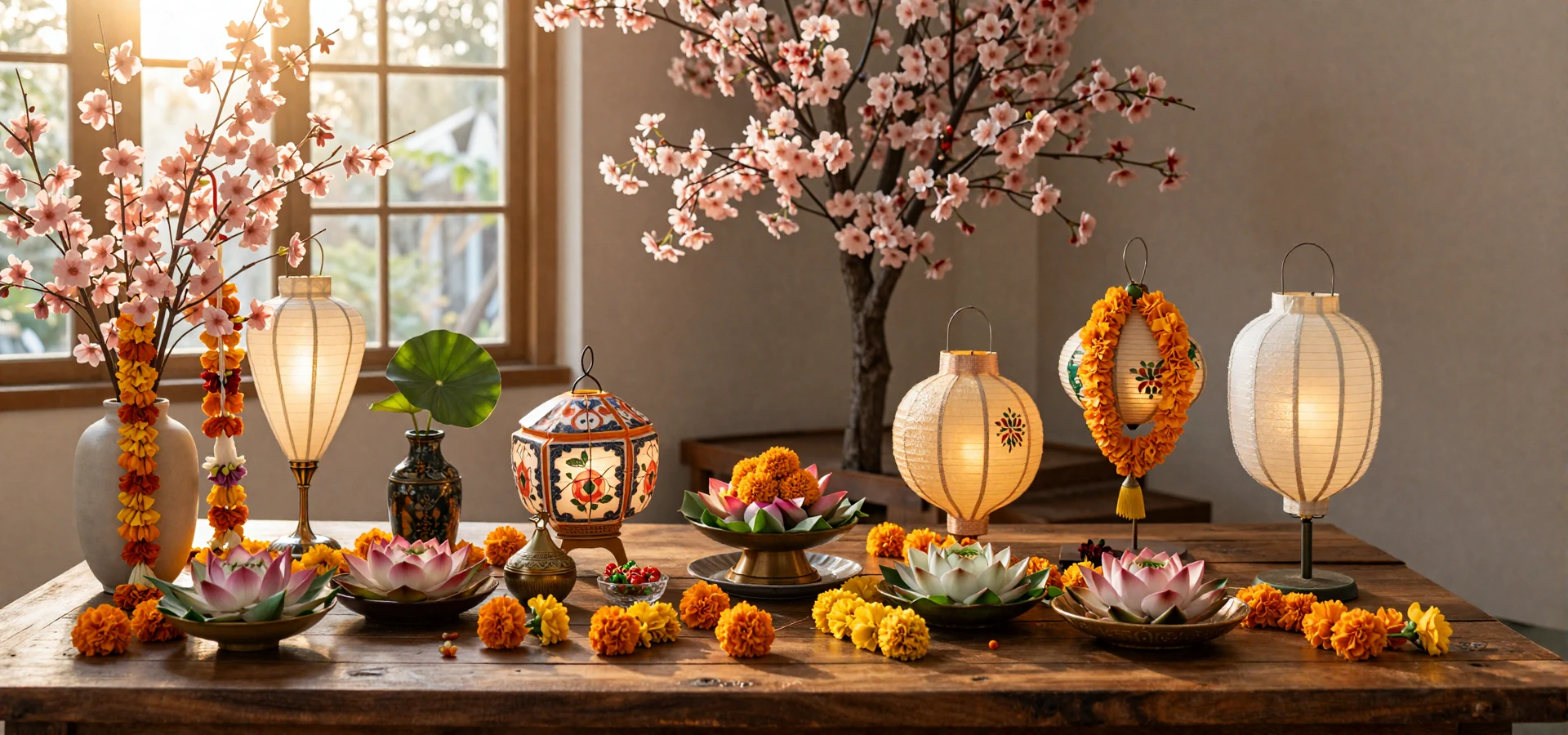
Master the unwritten rules of cross-cultural dating - from family introductions in India to gift-giving etiquette in Japan - and build a relationship rooted in genuine respect.
Cross-cultural dating tips for relationships with Asian women begin with one fundamental truth: "Asia" is not one culture - it's dozens. A woman from Seoul has a completely different dating framework than a woman from Mumbai or Manila. Men who treat all Asian dating culture as interchangeable fail before they start. The most successful couples on LoveZoneTip's asian women dating platform are those who invest time understanding their partner's specific cultural background. Here's what you need to know about each major region.
East Asian dating culture is shaped by Confucian values that emphasize harmony, respect for elders, and indirect communication. In practice, this means your date may not tell you directly if something bothers her - she'll signal through tone, body language, or silence. Learning to read these cues is essential.
In Korean dating culture, couple milestones carry enormous significance. Korean couples celebrate 100-day, 200-day, and 300-day anniversaries with gifts and special dates. Missing these milestones signals indifference. Meanwhile, Chinese women often face pressure from the "sheng nu" (leftover women) stigma after age 27, which means women actively seeking serious relationships appreciate partners who are upfront about long-term intentions.
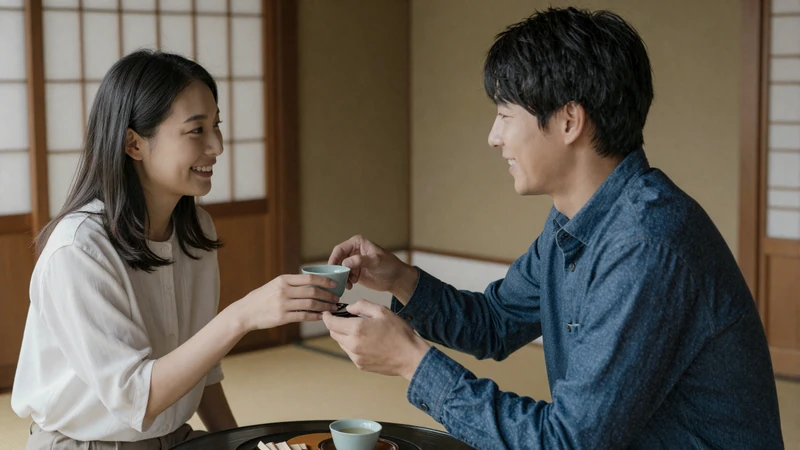
According to a 2025 AsianDating.com survey, 67% of East Asian women ranked "emotional maturity" as their top priority in a Western partner - ahead of appearance, income, or social status. The takeaway? Patience and emotional intelligence matter more than grand gestures in this region.
Southeast Asian dating culture is generally warmer and more openly affectionate than its East Asian counterpart. Filipino, Thai, and Vietnamese women tend to express feelings more directly, and physical affection comes earlier in the relationship timeline. But don't mistake warmth for casualness - family remains central.
In the Philippines, "ligaw" (courtship) involves consistent effort over weeks or months, often including her family from the very beginning. Thai culture operates on "greng jai" - a deep consideration for others' feelings that means she may agree to something she's uncomfortable with rather than cause conflict. Vietnamese women often expect the man to lead planning but value being consulted on decisions. Understanding these nuances prevents 90% of early relationship friction.
"Cross-cultural relationships don't fail because of language barriers. They fail because one partner assumes their cultural norms are universal. The moment you stop assuming and start asking, everything changes." - Dr. Sarah Chen, Cross-Cultural Psychology, Stanford University (2025)
South Asian dating culture places family at the absolute center of romantic relationships. Meeting Indian women for dating means eventually meeting her parents - and their approval isn't a formality, it's a requirement for most women. A 2024 Times of India survey found that 82% of Indian women under 35 still consider parental approval "very important" when choosing a life partner.
Religious diversity adds another layer. South Asia is home to Hinduism, Islam, Sikhism, Buddhism, and Christianity - each with distinct views on dating, marriage, and interfaith relationships. Before pursuing a serious relationship, have an honest conversation about how religion shapes her expectations. This isn't awkward - it's respectful. South Asian women consistently report that Western men who ask thoughtful questions about their faith earn deeper trust than those who avoid the topic entirely.
Cultural Insight: In many South Asian households, food is the primary love language. Accepting a home-cooked meal, eating with your hands when appropriate, and genuinely complimenting the cooking isn't just polite - it's how you earn a family's trust. According to intercultural relationship coach Priya Sharma (Hindustan Times, 2025), "The fastest way to an Indian family's heart is through their kitchen."
The table below breaks down the most important cultural variables you'll encounter when dating Asian women from different regions. Use it as a quick reference before your next conversation or video call - knowing these differences prevents misunderstandings that derail promising connections.
| Region | Family's Role | First Date Norms | Gift Customs | Communication Style |
|---|---|---|---|---|
| East Asia (Japan, Korea, China) | Introduced after exclusivity is established (3-6 months) | Casual - coffee, museum, shopping district walks | Thoughtful, modest gifts; avoid sets of 4 (unlucky) | Indirect; reads context and silence as meaningful |
| Southeast Asia (Philippines, Thailand, Vietnam) | Involved early; family gatherings within weeks | Group settings common; casual dining or market visits | Practical gifts valued; flowers and sweets appreciated | Warm and expressive; may avoid direct refusal (greng jai) |
| South Asia (India, Pakistan, Bangladesh) | Central from the start; parental approval often required | Public, well-lit venues; chaperoned in conservative families | Sweets for family visits; modest jewelry milestones | Direct within relationship; formal with elders |
| Central Asia (Uzbekistan, Kazakhstan, Kyrgyzstan) | Community-oriented; elders consulted before engagement | Tea houses, family dinners, cultural events | Hospitality gifts - fruit, pastries, tea sets | Respectful and measured; honor-based interactions |
| West Asia (Armenia, Jordan, Yemen) | Patriarchal involvement; father's blessing expected | Family-supervised; formal settings preferred initially | Quality over quantity; gold jewelry for milestones | Formal initially; deeply expressive once trust is built |
Here's where it gets interesting: while these patterns hold true broadly, every individual is unique. A modern Singaporean woman may have more in common culturally with a New Yorker than with a rural Indonesian. Use this table as a starting point, not a rulebook - then let her teach you the specifics of her own family's traditions.
Respectful communication is the single most important skill in cross-cultural dating. According to the International Dating Association's 2025 Annual Report, communication misunderstandings cause 43% of failed international relationships - more than distance, finances, or visa issues combined. Here's how to avoid that trap and build genuine connection.
Why does this matter? Because the way you communicate reveals whether you see her as a person or a category. A 2025 LoveZoneTip member survey found that 89% of Asian women on the platform have received at least one message containing a cultural stereotype - and 94% of those women immediately blocked the sender. Respectful communication isn't just nice; it's the price of admission to a real relationship.
Let's break this down further: learning her language - even at a basic level - is the most underrated cross-cultural dating tip available. You don't need fluency. Saying "Annyeonghaseyo" to a Korean woman or "Namaste" to an Indian woman shows effort that 95% of Western men never make. Language apps like Duolingo and HelloTalk make this easier than ever. Spend 10 minutes a day for two weeks, and you'll know enough to impress her - and her family.
The bottom line on asian dating culture: treat every cultural difference as an opportunity to learn, not an obstacle to overcome. The men who approach cross-cultural dating with genuine curiosity - not a checklist of do's and don'ts - are the ones who build relationships that last. Your journey starts with a single respectful conversation on a trusted platform like LoveZoneTip.
These verified women represent the cultural diversity of Asia. Start a respectful conversation today.
Marketing manager who loves K-beauty routines, weekend hikes in Bukhansan, and cooking doenjang-jjigae for friends.
Finance analyst who practices calligraphy on weekends, adores dim sum brunches, and dreams of traveling Europe.
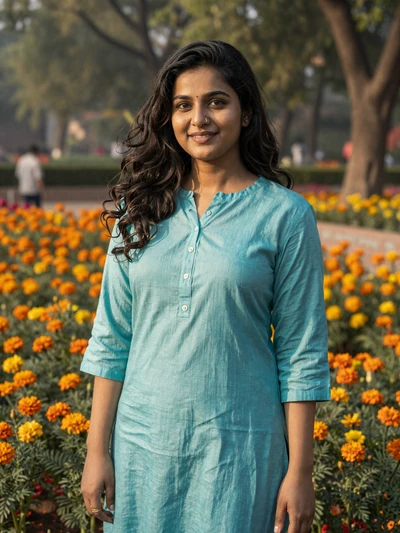
Pediatrician who loves Bollywood dance, spice market adventures, and reading historical fiction on rainy afternoons.
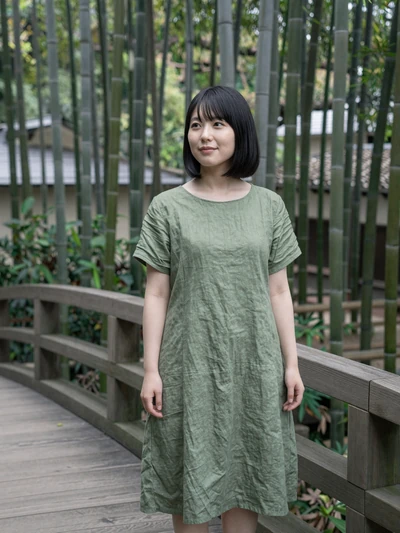
Kimono textile designer who adores matcha lattes, temple gardens, and photographing seasonal foliage changes.
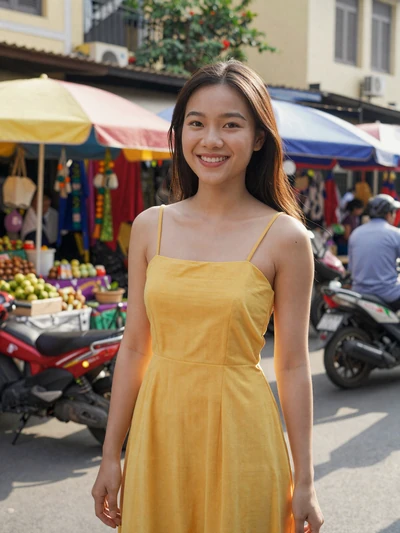
Graphic designer passionate about Vietnamese street food tours, watercolor painting, and sunrise yoga sessions.
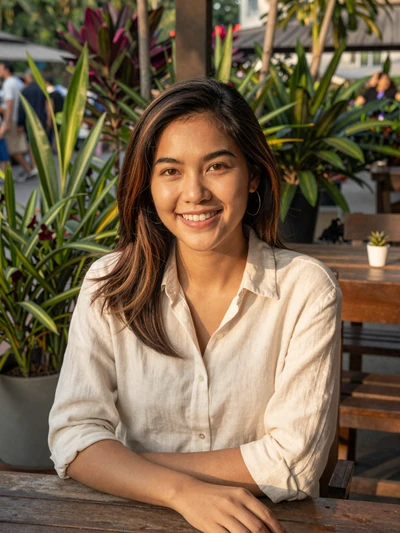
English teacher and amateur chef who loves temple meditation, night bazaar shopping, and making papaya salad from scratch.
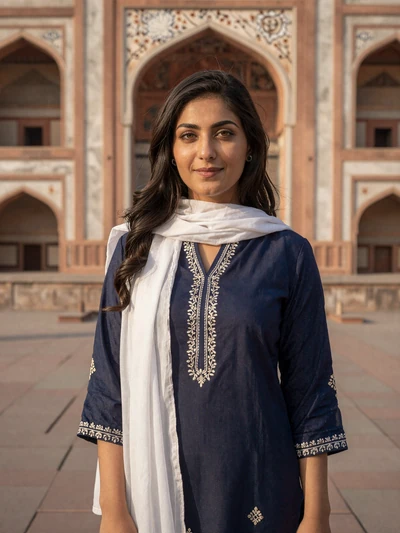
Architect specializing in heritage restoration, loves Urdu poetry, chai evenings, and visiting Mughal-era gardens.

Nursing student who sings at church every Sunday, loves island hopping, and makes the best chicken adobo in her family.